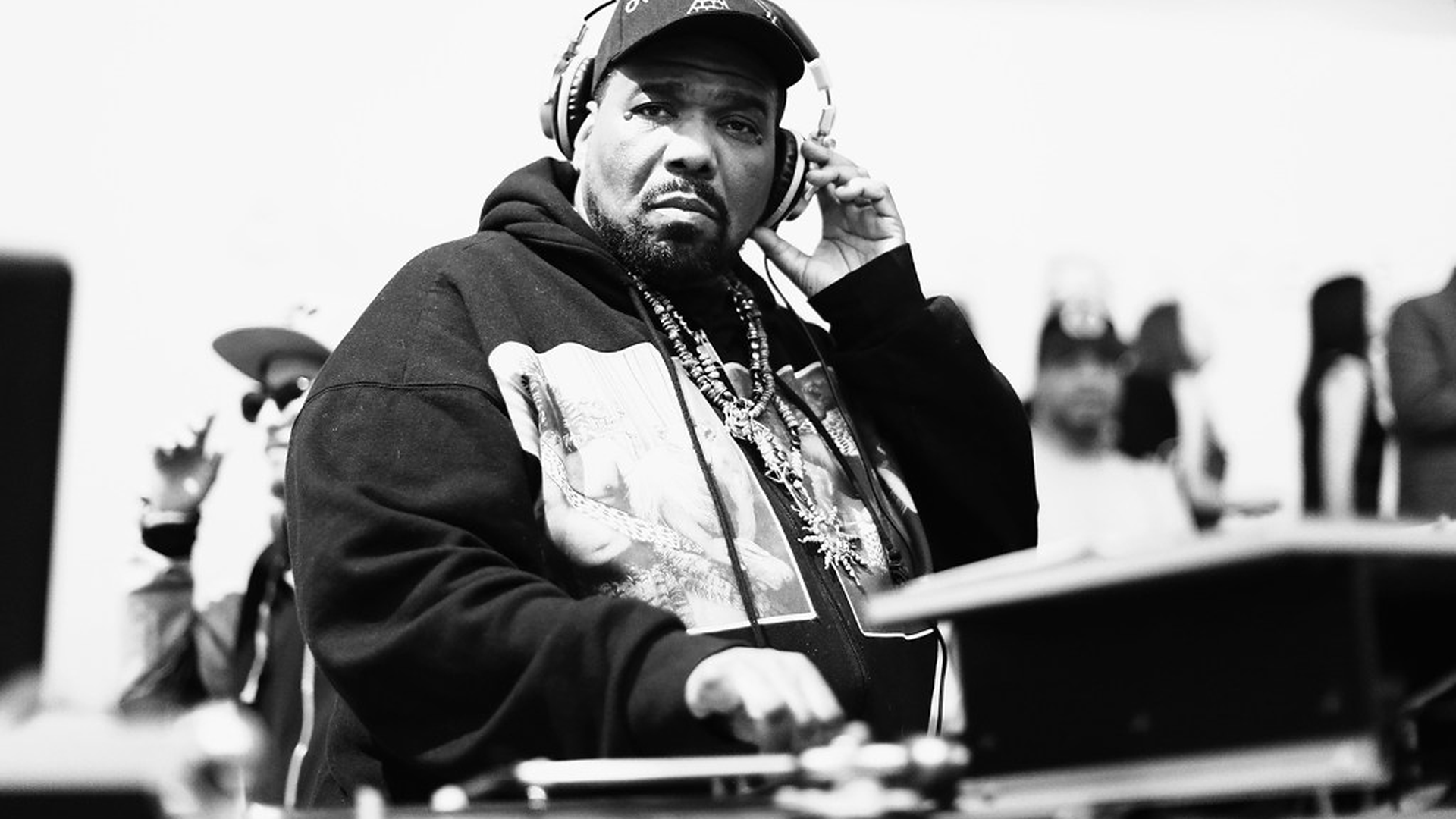
The Fractured Legacy of Afrika Bambaataa
The death of Afrika Bambaataa at 68 has not provided the finality usually afforded to hip-hop’s founding fathers. Instead, it has reignited a necessary, painful reckoning with a man who occupied two irreconcilable spaces: the Bronx visionary who blueprinted the culture through the Universal Zulu Nation and 'Planet Rock,' and the figure accused by multiple men of decades of sexual abuse. Unlike previous eras where such allegations might be relegated to footnotes, the current discourse refuses to separate the pioneer from the predator, forcing both into a single, fractured frame. This tension highlights a historical weakness within hip-hop: an aptitude for honoring architects and a reluctance to interrogate them. While Bambaataa’s sonic contributions to the electro-funk movement are undeniable, the weight of the testimony against him has permanently stained the mythology. There is no clean version of this story to be told; to celebrate the Zulu Nation’s ethos of 'Peace, Love, Unity, and Having Fun' without acknowledging the harm alleged within its ranks is to ignore the full reality of the movement’s shadow. As the culture continues to institutionalize its history, the handling of Bambaataa’s estate and memory will serve as a litmus test for how hip-hop reconciles its foundational genius with its systemic failures in accountability.
Comments
Loading…
Sign in to join the conversation.